
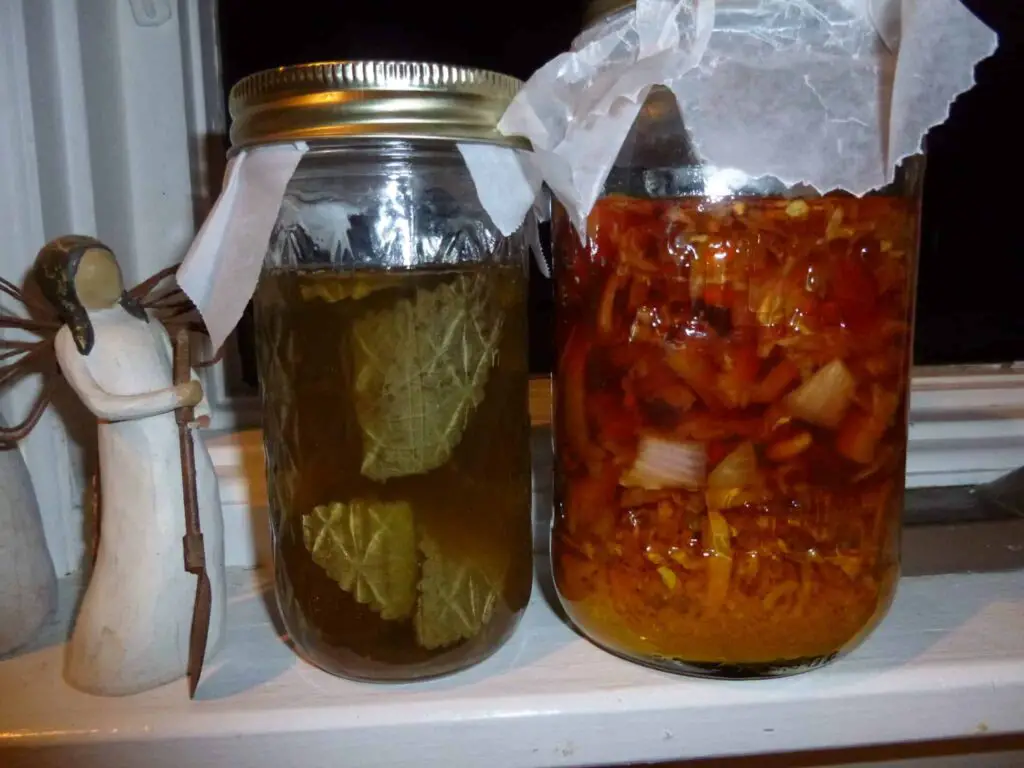
Dragonfly Fire Cider Recipe and How to Make It at Home
There is something satisfying about a jar quietly doing its work on the windowsill. Dragonfly Fire Cider is exactly that kind of recipe: a few raw ingredients, good vinegar, patience, and a daily shake. The result is a sharp, warming tonic that has been used for generations to support the immune system and get the body moving in the morning.
This recipe came out of an herbal class where everyone brought ingredients, chopped and grated together around a table, and filled their jars to take home. That spirit of shared knowledge is part of what makes fire cider feel different from a store-bought supplement. It is made by hand, it takes time, and it rewards that patience.
Why You’ll Love This Recipe
Fire cider is not for everyone right away, but once it becomes part of a daily routine, it tends to stick. Here is why it earns a permanent spot in the kitchen:
- The ingredient list is short and real: garlic, ginger, horseradish, onion, cayenne, orange, turmeric, and raw apple cider vinegar. Nothing processed, nothing artificial.
- One batch lasts for months. A single quart jar steeped for four weeks produces enough fire cider to last through the season.
- The active prep time is about 20 minutes. The rest is just remembering to shake the jar each day.
- It is deeply customizable. Once comfortable with the base recipe, fresh herbs, citrus variations, and additional spices can be layered in.
- The finished tonic makes a thoughtful handmade gift, especially in December when everyone is fighting off colds.
Let’s Talk Ingredients
Raw apple cider vinegar is the backbone of this recipe. Look for a brand that contains the mother, the cloudy strands visible in an unfiltered bottle. That unprocessed form carries the most beneficial compounds and creates the best base for infusion.
Garlic and onion bring pungency and depth. Both are well-known for their antimicrobial properties and they mellow slightly over the steep, becoming rounded rather than raw and sharp. Fresh horseradish root is the ingredient that gives fire cider its signature heat from the inside out. It is different from the heat of peppers; it clears the sinuses and rises through the chest. If fresh horseradish root is hard to find, prepared jarred horseradish works in a pinch, though the flavor will be a bit milder.
Fresh ginger adds warmth and a brightness that balances the heavier root flavors. Cayenne is the slow burn at the finish. Starting with the full amount called for gives the traditional fire cider experience, but it can be dialed back for a gentler version. The orange, chopped with the rind included, contributes citrus oils and natural sweetness that soften the overall edge of the vinegar. Turmeric rounds everything out with its earthy, slightly bitter note and brings a deep golden color to the finished liquid.
Raw honey is stirred in after straining, not before. Adding it at the start would interfere with the infusion. A couple of tablespoons is a good starting point; the final amount depends entirely on how sweet or sharp the balance feels.
Step-by-Step Cooking Tips
There is no heat involved in this recipe, which is part of what makes it approachable. The key is prep: everything should be chopped or grated fairly fine so the surface area is maximized and the vinegar can pull from each ingredient effectively. The orange gets chopped with the rind on, which releases the essential oils from the peel directly into the jar.
Once everything is packed into the jar, the vinegar goes in and should cover all the solids completely. If any ingredients are floating above the liquid, press them down before sealing. A jar that is not fully submerged can develop unwanted surface growth.
The daily shake is genuinely the only ongoing task. Placing the jar somewhere visible, on a windowsill above the sink or next to the coffee maker, makes it much easier to remember. After three to four weeks, the liquid will have deepened in color and the ingredients will look fully saturated.
Straining takes a little patience. Pressing the solids firmly against the strainer extracts significantly more liquid than just letting it drain on its own. Once strained, stir in the honey while the liquid is at room temperature so it dissolves easily.
Equipment
- Quart-sized mason jar, for steeping the fire cider ingredients.
- Box grater, for grating the ginger and horseradish root.
- Fine mesh strainer, for separating the finished liquid from the solids.
- Chef’s knife and cutting board, for all chopping prep.
- Small funnel, for transferring the strained tonic into a storage bottle.
- Storage bottle or jar, for keeping the finished fire cider in the refrigerator.
Serving Suggestions
Fire cider is taken in small amounts, not served like a drink. The most straightforward approach is a teaspoon to a tablespoon first thing in the morning, straight or chased with water. Beyond that daily shot, there are a few other ways to work it into the kitchen:
- Stir a splash into warm water with honey for a gentler morning drink.
- Use it as the acid component in a homemade salad dressing in place of lemon juice or plain vinegar.
- Add a small amount to a marinade for chicken or pork for a subtle kick.
- Pour the finished cider into small bottles tied with ribbon for a handmade seasonal gift.
- Mix a tablespoon into broth or a soup base when feeling run-down.
Macros Per Serving
Fire cider is a wellness tonic rather than a calorie-dense food, so each serving is light. The small amount of natural sugar comes from the orange and honey added after straining.
- Calories: approximately 15
- Protein: 0 g
- Fat: 0 g
- Carbs: approximately 3 g
Values will vary depending on specific ingredients and portion size.
Other Recipes to Try
If this recipe sparked an interest in warming, wholesome cooking, these are worth a look next.
- Roast Chicken with Root Vegetables — A hearty one-pan dinner that pairs well with the same root-forward, seasonal flavors that make fire cider worth making.
- Apple Cinnamon Muffin Recipe — A warm, spiced muffin that makes good use of fall’s best fruit and works as an easy grab-and-go breakfast.
- Best Winter Drinks To Warm You — A roundup of cold-weather beverages that pair naturally with a fire cider tonic routine.
- Easy Keto Swedish Meatballs Crockpot Recipe — A rich, slow-cooker dinner from Keto Recipe Collection that is simple to pull together on a weeknight.
Dragonfly Fire Cider is one of those recipes that asks very little of the cook and gives a lot back over time. The prep takes less than half an hour, and from there it just needs a daily shake and a little patience. Give it a try this season and share how it turned out — it is always good to hear what variations people land on and what the finished batch tastes like in different kitchens.
Dragonfly Fire Cider
Notes
- Organic ingredients are strongly recommended for the cleanest flavor and most beneficial nutrients.
- Store finished fire cider in the refrigerator for up to 6 months.
- Start with 1 teaspoon daily and work up to 1 tablespoon as tolerated; the flavor is sharp and warming.
- Fresh horseradish root delivers much more heat than jarred; substitute jarred if fresh is unavailable, using the same amount.
- The strained solids can be composted or mixed into salad dressings.
- For a milder cider, reduce cayenne to 1/2 tsp.
- Macros estimate per 1 tbsp serving: Calories 15, Protein 0 g, Fat 0 g, Carbs 3 g (primarily from honey and orange).



1 thought on “Dragonfly Fire Cider”
Pingback: Best Winter Drinks To Warm You
Comments are closed.