Sloppy Joes: A Homemade Version Worth Making on a Weeknight
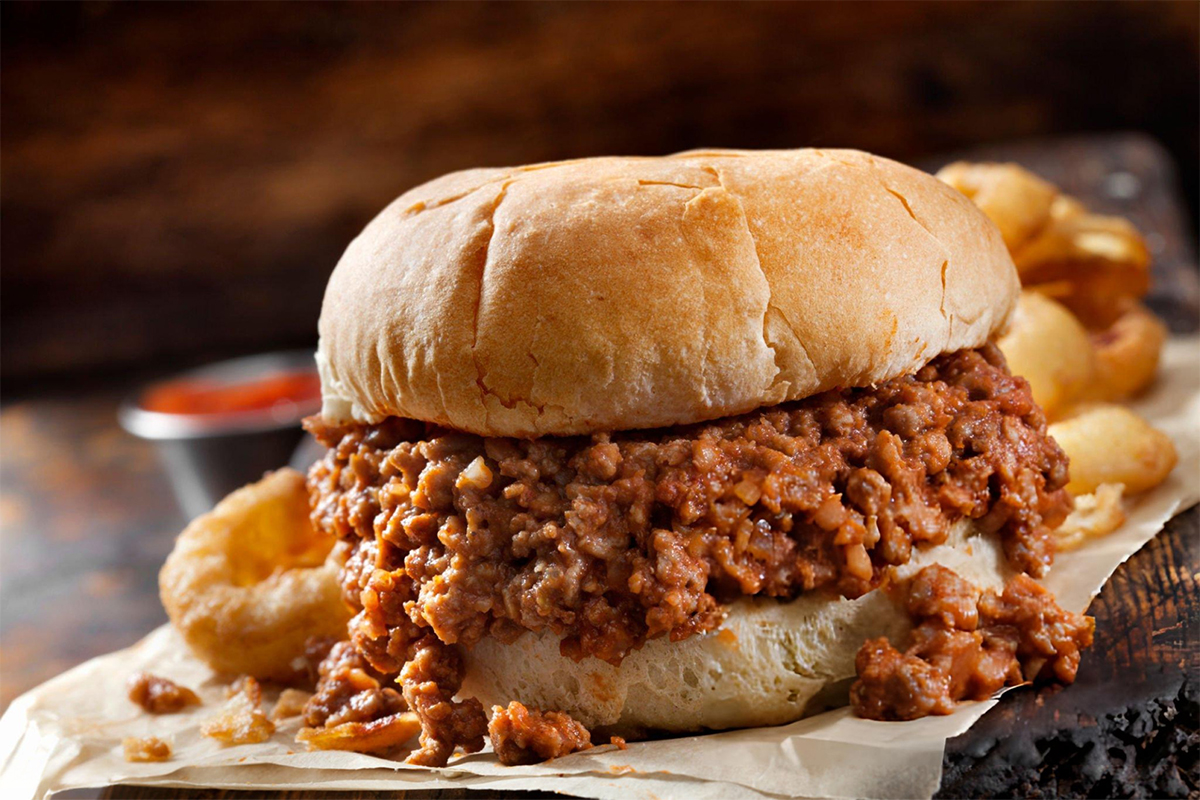
Sloppy Joes have been on dinner tables for generations for good reason: ground beef, a sweet and tangy sauce, a toasted bun, and dinner is done in 30 minutes. Made from scratch, the sauce is better than anything that comes from a can. Plus, the ingredients are almost always already in the kitchen.
Why You’ll Love This Recipe
- 30 minutes start to finish. It moves fast and requires very little prep. It’s a dependable option on nights when time is short.
- The sauce is made entirely from pantry staples. Ketchup, Worcestershire, mustard, brown sugar, a splash of vinegar. Nothing unusual, nothing that requires a separate trip to the store.
- Better than the canned version. The homemade sauce has more depth, better balance of sweet and tangy, and the texture of the filling is far more satisfying.
- Easy to adjust. More sugar, more vinegar, more heat: the recipe responds well to small tweaks and is easy to make exactly the way everyone likes it.
- Leftovers are just as good. The filling reheats well and even improves slightly overnight as the flavors deepen.
Let’s Talk Ingredients
Ground beef is the foundation. A lean ground beef like 93% works well and keeps the filling from being greasy, but 80/20 adds more richness and a slightly meatier flavor after browning. Either way, draining the fat after browning keeps the sauce from becoming oily rather than saucy.
Onion and green bell pepper are the classic aromatics for a sloppy joe. They cook down into the filling and add sweetness and a slight bite without dominating the sauce. Dicing them finely means they nearly disappear into the beef and makes the filling smooth and consistent from bite to bite.
Ketchup is the base of the sauce which might sound overly simple, but it brings tomato flavor, sweetness, and a slight tang all at once. Tomato sauce alongside it adds body and a more savory tomato note that keeps the overall sauce from tasting like a condiment.
Worcestershire sauce is what adds depth. It brings a savory, slightly fermented quality to the sauce that makes it taste layered rather than flat. It’s not identifiable on its own, but the sauce would taste incomplete without it.
Brown sugar and yellow mustard balance each other. The sugar rounds out the acidity of the ketchup and vinegar while the mustard sharpens the flavor and adds a faint background heat. Apple cider vinegar ties everything together and brightens the whole sauce.
The chili powder and garlic powder work in the background and adds warmth that doesn’t make the dish spicy but keeps it from tasting one-dimensional.
Step-by-Step Cooking Tips
Getting a good brown on the beef before adding the vegetables makes a difference. Let it cook without stirring for the first minute or two so it develops some color on the bottom of the pan. Browning adds flavor that simply steaming the meat in its own liquid doesn’t.
Drain the fat after browning but before adding the vegetables. This step keeps the finished sauce from being greasy and ensures the sauce coats the beef rather than sitting in fat.
Cooking the onion and bell pepper in the same pan after the beef picks up all the flavor left behind from browning. That layer of caramelized meat on the bottom of the skillet dissolves into the vegetables as they soften and adds flavor to the whole dish.
The 10-minute simmer at the end is not just about warming the sauce. It gives the liquid time to reduce slightly and concentrates the flavor and thickens the filling enough to stay on the bun. A sauce that hasn’t simmered long enough will run off the bun and turn the bread soggy before the first bite.
Always taste the sauce before serving. The balance of sweet and tangy is personal, and small adjustments at the end make a meaningful difference. A little more vinegar if it needs brightness, a pinch more sugar if it tastes too sharp, a shake more chili powder if it needs a lift.
Toasting the buns is a step worth taking every time. A toasted bun holds up to the saucy filling far better than a soft one, and the slight crunch at the edges adds texture that makes the whole sandwich better.
Equipment
- Large skillet, wide enough to brown the beef in an even layer and simmer the sauce
- Wooden spoon or spatula, for breaking up the meat and stirring without scratching the pan
- Cutting board and chef’s knife, for dicing onion and bell pepper
- Measuring cups and spoons, for accurate sauce proportions
- Toaster or broiler, for toasting the buns just before serving
Serving Suggestions
Sloppy Joes are a complete meal on their own, but the right sides turn them into a proper dinner spread.
- Classic coleslaw adds crunch and a cooling contrast to the warm, saucy filling.
- Oven-baked fries or chips on the side keep the meal simple and satisfying.
- Corn on the cob, roasted or grilled, is a natural pairing for a casual weeknight dinner.
- For a lower-carb option, spoon the filling over a baked potato or a bed of rice instead of a bun.
- A simple green salad with a vinegary dressing balances the sweetness of the sauce.
Macros Per Serving
Sloppy Joes made with lean ground beef deliver a solid hit of protein alongside moderate fat and carbohydrates from the bun and sauce which makes them a filling and balanced option for a weeknight dinner.
- Calories: ~430
- Protein: ~28g
- Fat: ~12g
- Carbs: ~48g
Values will vary depending on specific ingredients and portion size.
Other Recipes to Try
Beef Soup with Vegetables A hearty, slow-simmered soup loaded with tender beef and mixed vegetables that’s a satisfying follow-up to any ground beef recipe.
Ginger Soy Chicken Tender chicken in a glossy, savory glaze that comes together quickly and works just as well as a weeknight dinner option.
Stuffed Zucchini Boats A lighter take on a baked dinner, filled with seasoned meat, vegetables, and melted cheese for a satisfying plate.
Easy Taco Recipe (Crockpot) A slow-cooker ground beef recipe from Keto Recipe Collection that’s easy, versatile, and a great option for low-carb weeknights.
Homemade Sloppy Joes are one of those recipes that make a strong case for skipping the canned version for good. The sauce is better, the texture is better, and it still comes together in 30 minutes on a weeknight.
Try the recipe and share how it turned out. Sauce adjustments, topping ideas, and serving variations are always welcome in the comments.